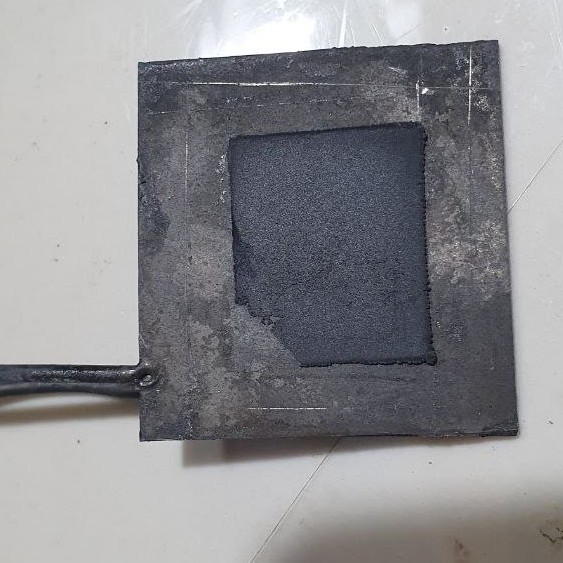
Titanium|Pbo2|Graphene oxide electrode
Industry-focused project on electrowinning anodes
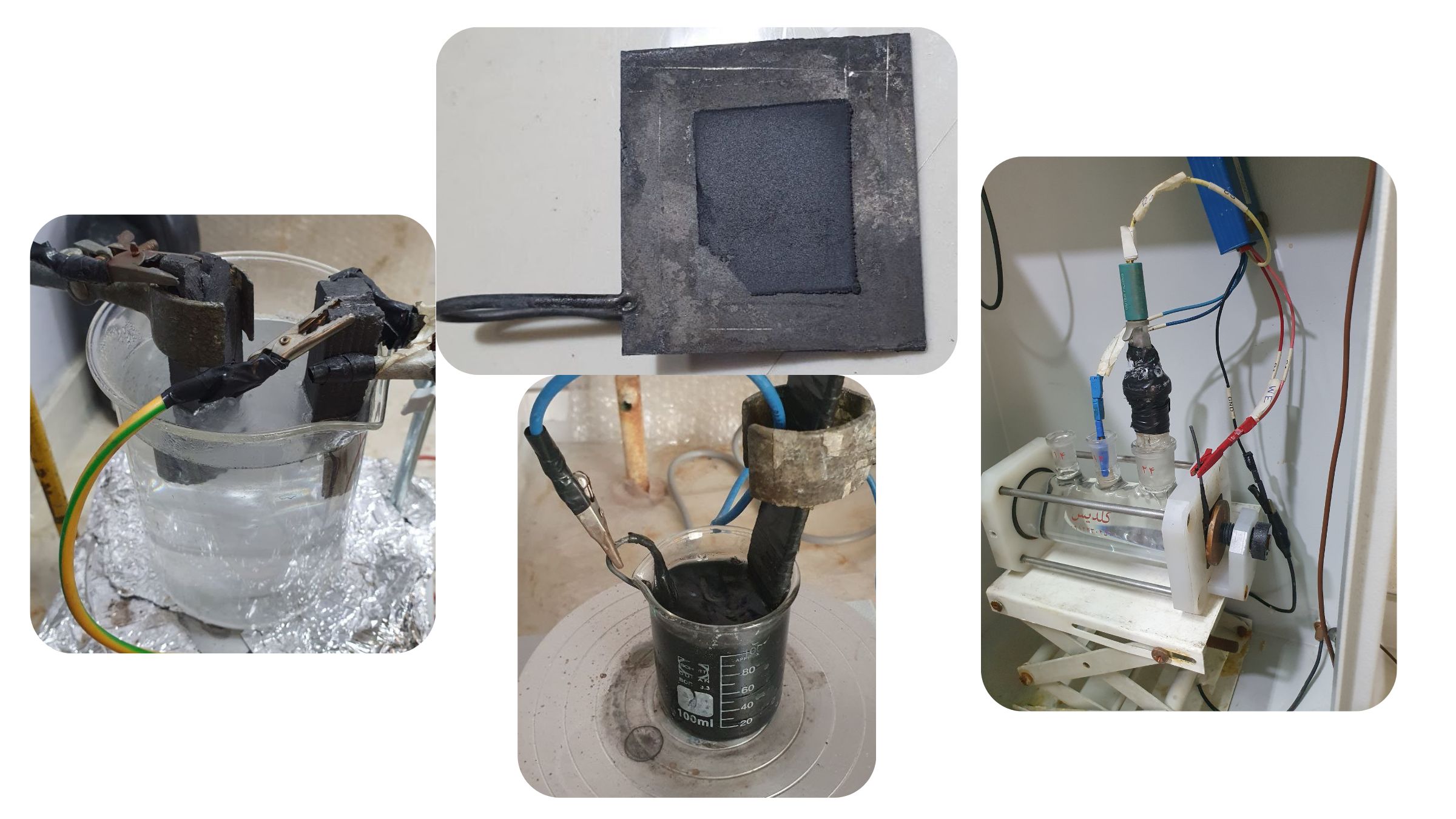
Project
Summary
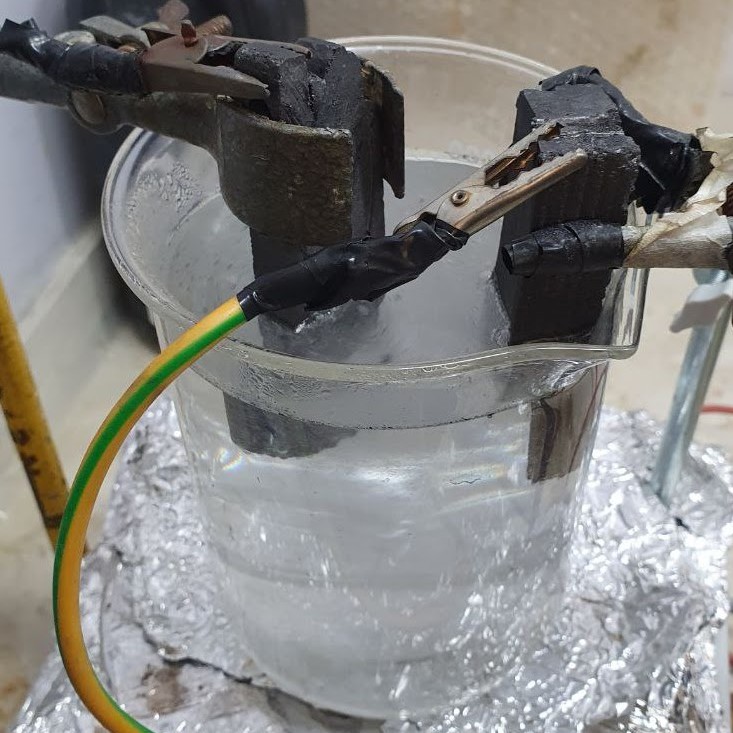
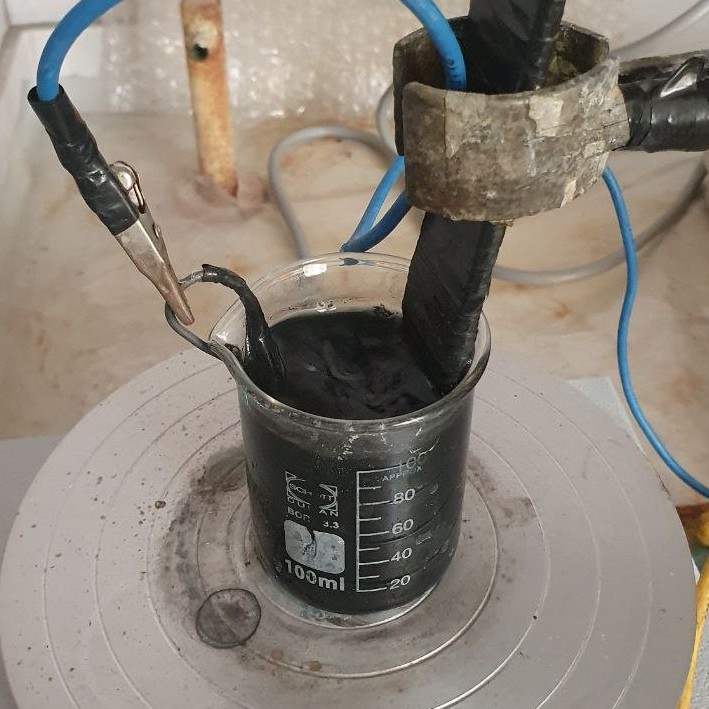
Although the PbO2 electrode shows good conductivity and stability, it has a small surface area and low catalytic activity that are both effective in degradation and electrowinning. In this research, we improved the surface area and low catalytic activity of the PbO2 electrode with graphene oxide. Pulse current and direct current techniques were utilized. The concentration of GO were 0.2, 0.05, and 0.025 g/l. Electrodeposition was performed in the following conditions: Pb2+ concentration of 0.2 M, temperature of 60°Ϲ, pH of 3-4, 30 minutes of each current density of 50, 30, 20 mA⋅cm−2 for pulse technique, 10 minutes of each step for direct current density, duty cycle of 30%, and frequency of 50 Hz.
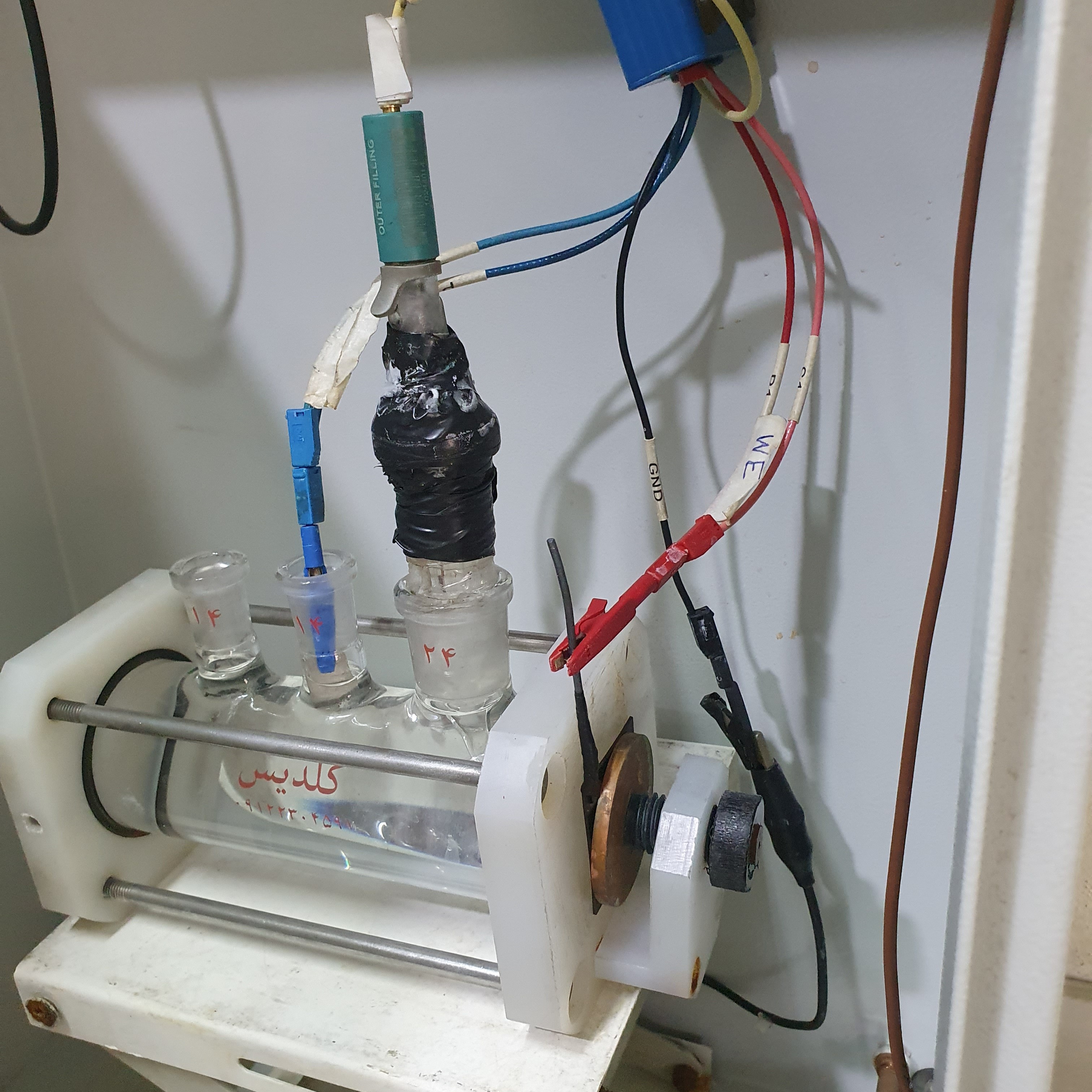
OCP, EIS, and CV tests were applied to examine the electrochemical characterization of electrodes. The results illustrate that graphene increased the electrocatalytic activity. CV, EIS, and the accelerated lifetime test suggest that the PbO2|GO(0.05g/l) has optimal electrocatalytic activity and stability. Also, the pulse current technique showed much better performance rather than the direct current.